
Blog & Latest Updates
Fly Fishing Articles
Insects by Common Name

Animal Kingdom Animalia (Animals)


Taxonomic Navigation -?-
Kingdom Animalia (Animals)
| Phylum in Animalia |  |  |
| AnnelidaWorms and Leeches | 0 | 2 |
| ArthropodaArthropods | 0 | 122 |
| ChordataVertebrates | 0 | 4 |
| Mollusca | 0 | 6 |
| PlatyhelminthesFlatworms | 0 | 0 |
Common Name
| Match | Common Name |
 | Animals |
This is page 5 of underwater photos of Animalia. Visit the main Animalia page for:
- The behavior and habitat of Animalia.
- Studio pictures of 1264 Animalia specimens.
131 Underwater Pictures of Animals:


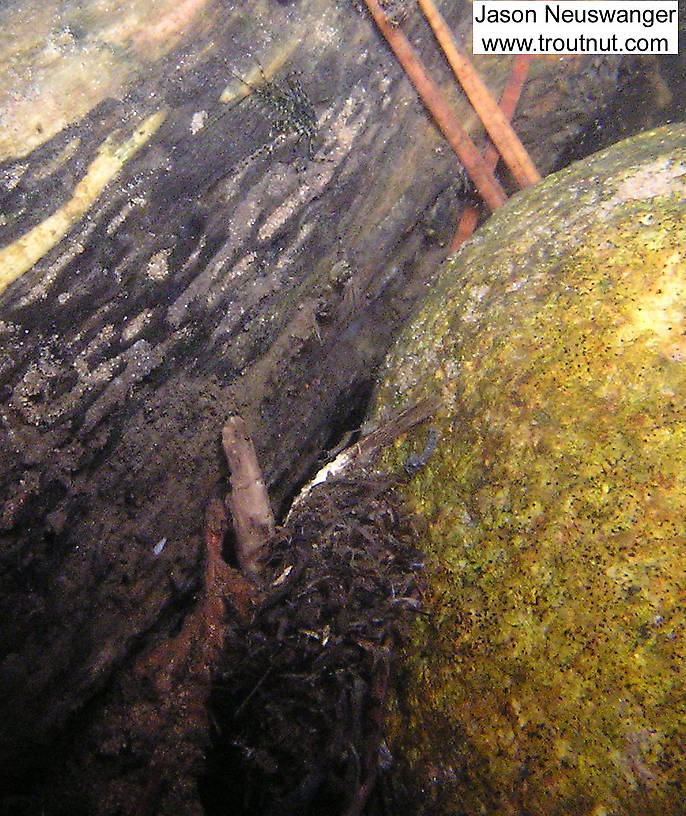
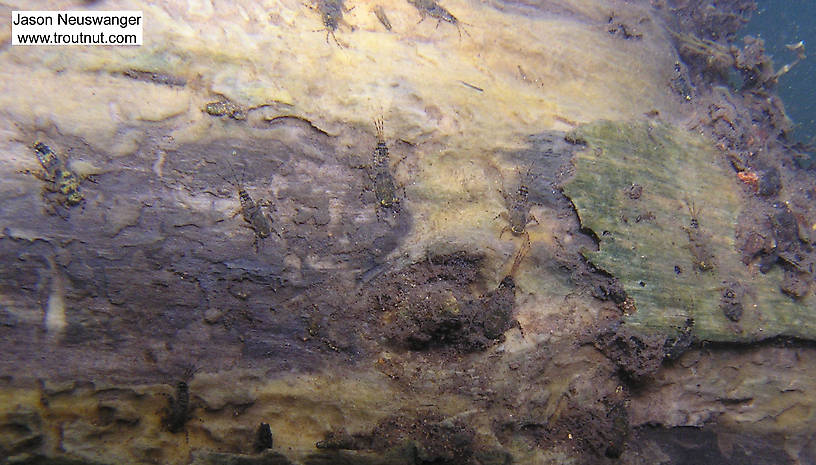
This is a pretty clear photo of an Epeorus nymph clinging flat against a log. The big mound of debris on the bottom center of the picture, attached to the light rock, is a structure that's been puzzling me. I've found several in one section of the river. It's big, like 2 inches long and maybe 1/2-3/4 inch wide/tall, and hollow, like some sort of coccoon or something. It's clearly a structure built by some sort of little creature, but I'm not sure what.
In this picture: Mayfly Genus Epeorus (Little Maryatts).
In this picture: Mayfly Genus Epeorus (Little Maryatts).
StateWisconsin
LocationNamekagon River
Date TakenApr 24, 2004
Date AddedJan 25, 2006
AuthorTroutnut
CameraOlympus C740UZ
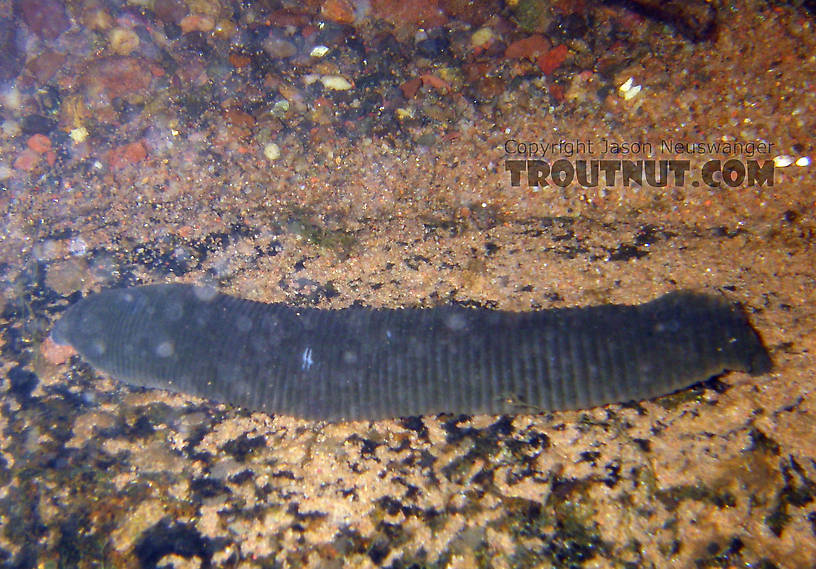
I spotted this very large leech freely tumbling, and occasionally stopping, along the bottom of a clear, cool trout stream. I paid careful attention later and spotted two more like it, but this one was the largest -- probably over 7 inches stretched out.
There is one other picture of it.
In this picture: Animal Class Clitellata-Hirudinae (Leeches).
There is one other picture of it.
In this picture: Animal Class Clitellata-Hirudinae (Leeches).
StateWisconsin
LocationNamekagon River
Date TakenJun 21, 2006
Date AddedJul 1, 2006
AuthorTroutnut
CameraPENTAX Optio WPi
StateWisconsin
LocationNamekagon River
Date TakenMar 24, 2004
Date AddedJan 25, 2006
AuthorTroutnut
CameraOlympus C740UZ
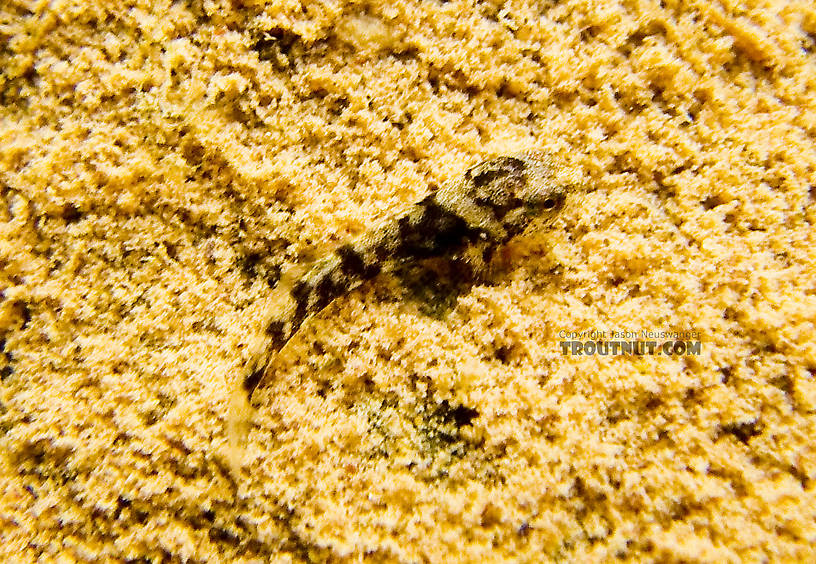
This tiny sculpin is the size of a mid-sized mayfly nymph.
In this picture: Fish Order Cottidae (Sculpins).
In this picture: Fish Order Cottidae (Sculpins).
StatePennsylvania
LocationFishing Creek
Date TakenMay 26, 2007
Date AddedJun 5, 2007
AuthorTroutnut
CameraPENTAX Optio WPi
StateWisconsin
LocationNamekagon River
Date TakenApr 24, 2004
Date AddedJan 25, 2006
AuthorTroutnut
CameraOlympus C740UZ
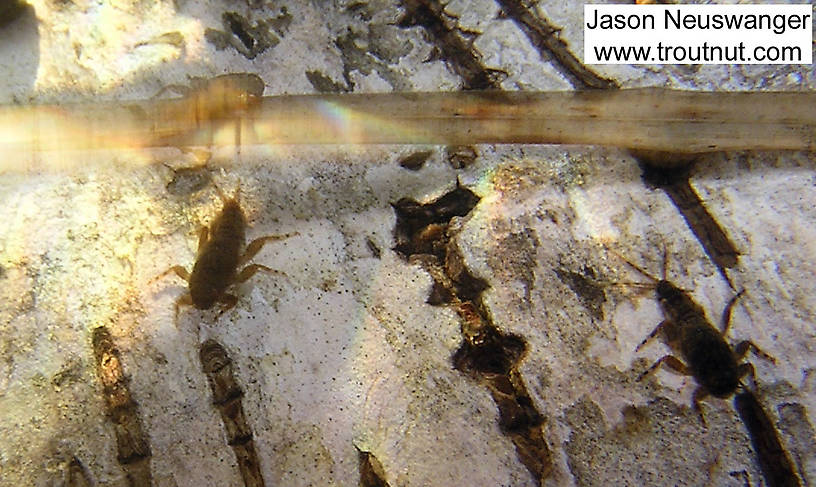
StateWisconsin
LocationNamekagon River
Date TakenApr 23, 2004
Date AddedJan 25, 2006
AuthorTroutnut
CameraOlympus C740UZ
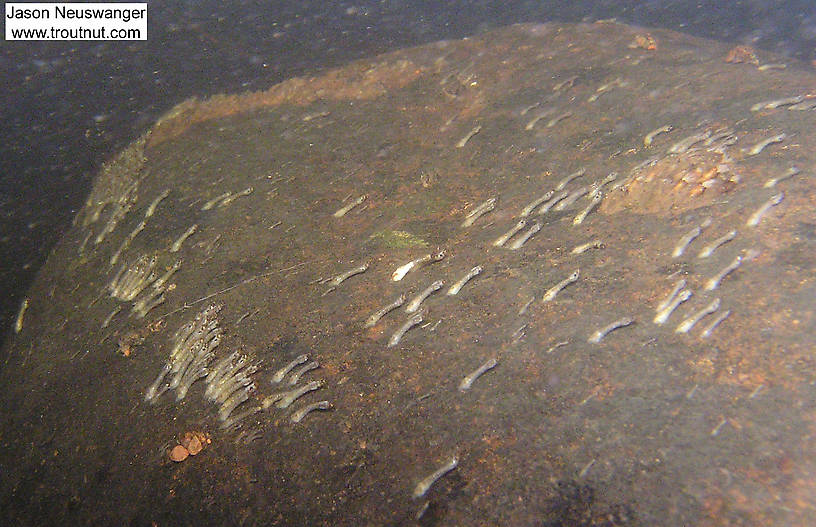
StateWisconsin
LocationNamekagon River
Date TakenApr 25, 2004
Date AddedJan 25, 2006
AuthorTroutnut
CameraOlympus C740UZ
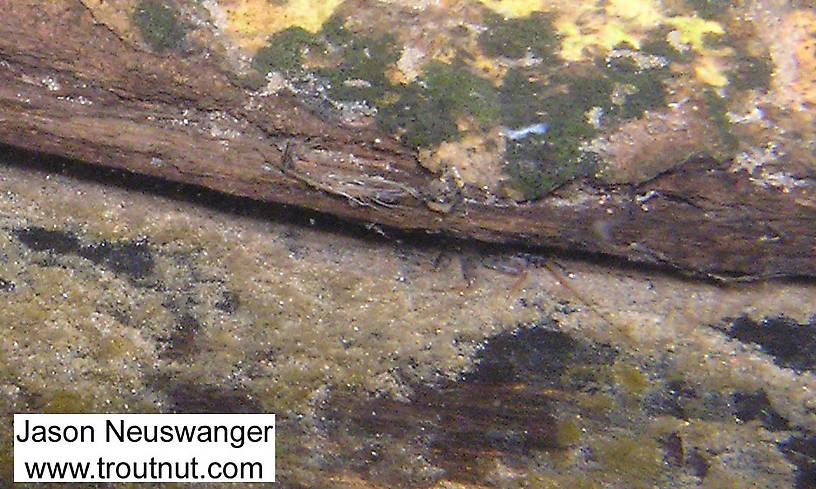
StateWisconsin
LocationNamekagon River
Date TakenApr 25, 2004
Date AddedJan 25, 2006
AuthorTroutnut
CameraOlympus C740UZ
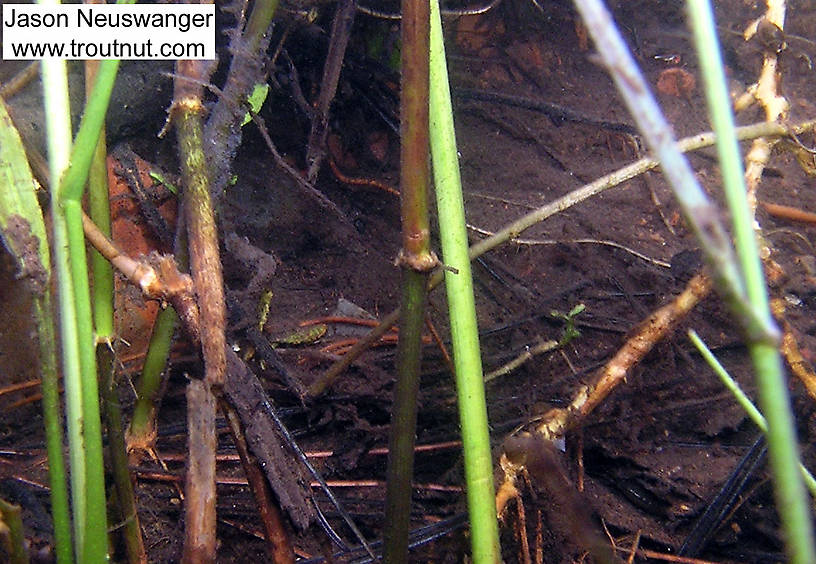
A water boatman and a scud are visible in this picture. Can you find them?
In this picture: True Bug Family Corixidae (Water Boatmen) and Arthropod Order Amphipoda (Scuds).
In this picture: True Bug Family Corixidae (Water Boatmen) and Arthropod Order Amphipoda (Scuds).
StateWisconsin
LocationBois Brule River
Date TakenApr 13, 2004
Date AddedJan 25, 2006
AuthorTroutnut
CameraOlympus C740UZ
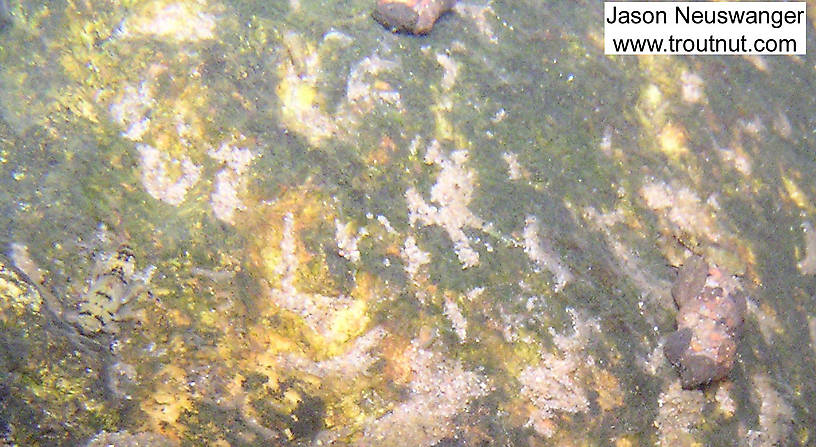
In this picture: Mayfly Genus Ephemerella (Hendricksons, Sulphurs, PMDs) and Insect Order Trichoptera (Caddisflies).
StateWisconsin
LocationNamekagon River
Date TakenApr 24, 2004
Date AddedJan 25, 2006
AuthorTroutnut
CameraOlympus C740UZ
Top 10 Fly Hatches
 Baetis
 Baetidae
 Ephemerellidae
 Hexagenia limbata
 Chironomidae
 Ephemerella subvaria
 Heptageniidae
 Ephemerella
 Isonychia
 Hydropsychidae
Top Gift Shop Designs
 I outfish my daddy!
 Electric blue Hendrickson dun.
 I love buggers. Big, green, wooly ones.
 I outfish my husband!
 Be the trout.
 Eat mayflies.
Top Insect Specimens
 Baetisca obesa Mayfly Nymph
 Corydalus Hellgrammite Larva
 Neophylax Caddisfly Adult
 Pteronarcys biloba Stonefly Nymph
 Hydropsyche aenigma Caddisfly Adult
Miscellaneous Sites
Troutnut.com is copyright © 2004-2024 Jason
Neuswanger (email Jason). See my FAQ for information about use of my images.
 privacy policy
privacy policy