
Blog & Latest Updates
Fly Fishing Articles
Insects by Common Name


Neophylax (Autumn Mottled Sedges) Caddisfly Adult Pictures


Classification
Kingdom
Animalia (Animals)
» Phylum
Arthropoda (Arthropods)
» Class
Insecta (Insects)
» Order
Trichoptera (Caddisflies)
» Family
Uenoidae
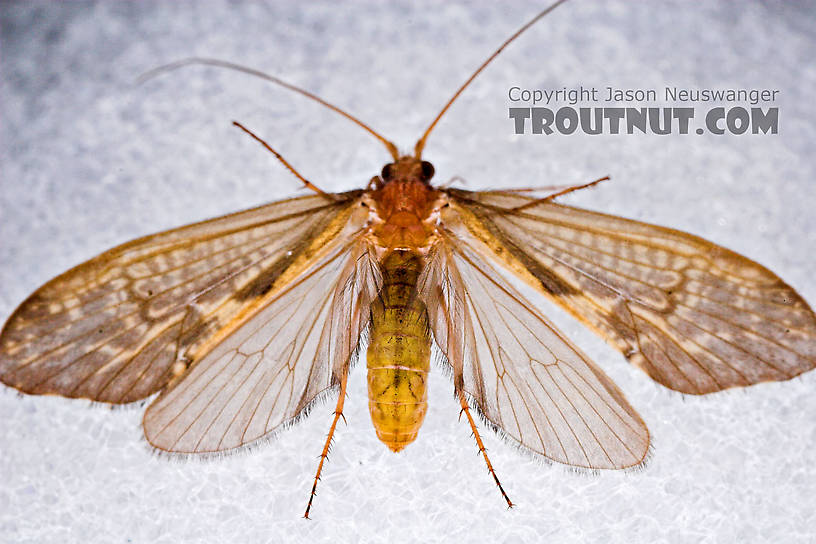
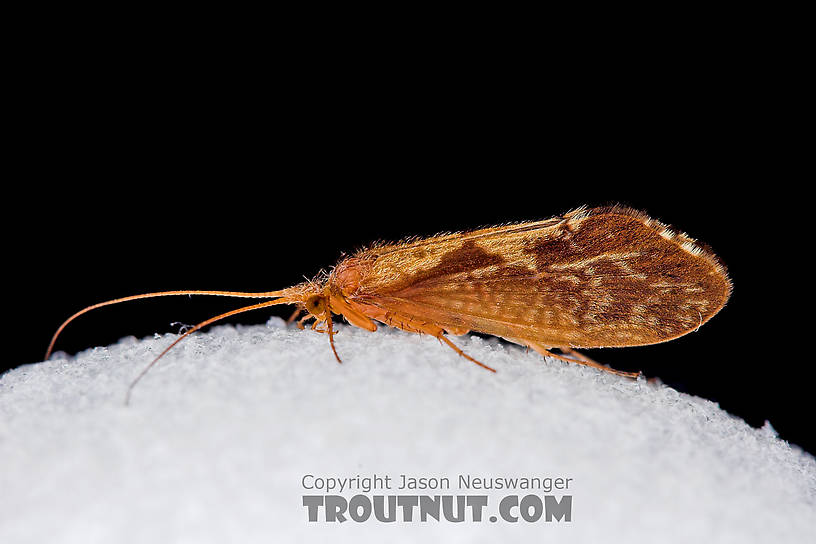
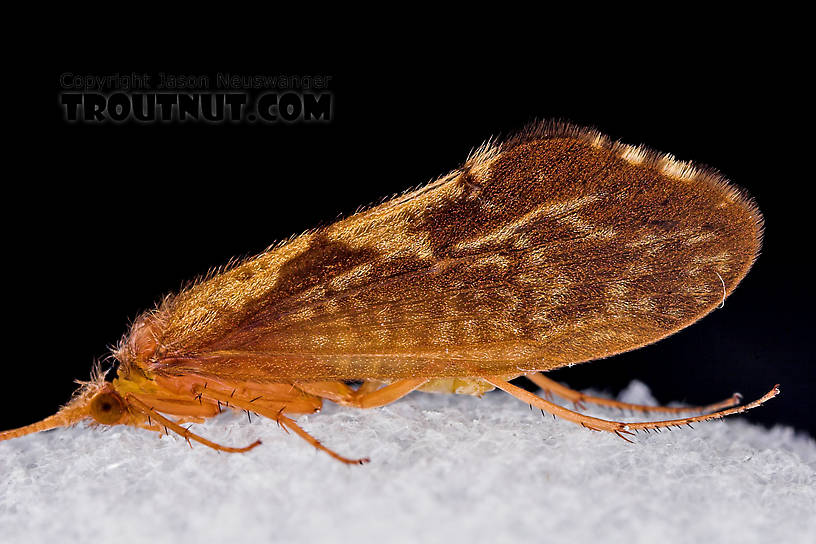
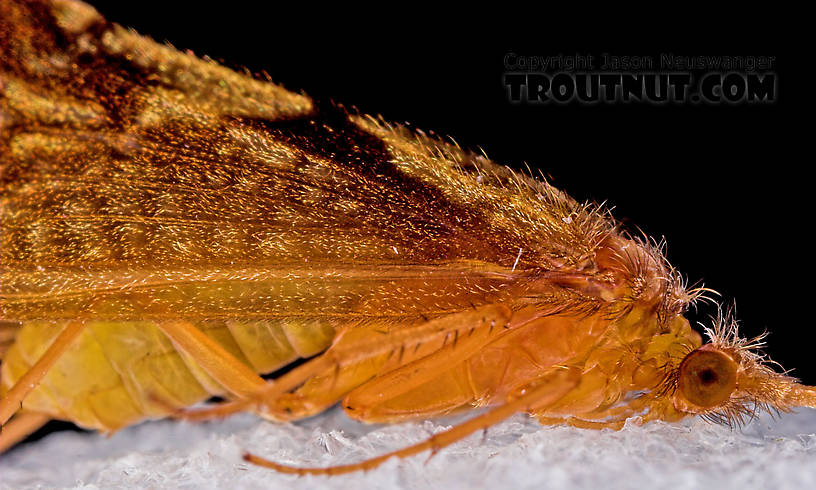
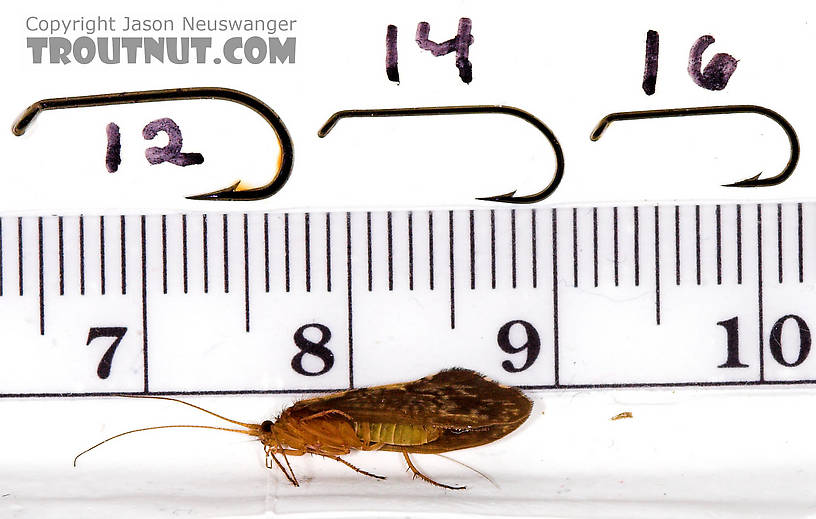
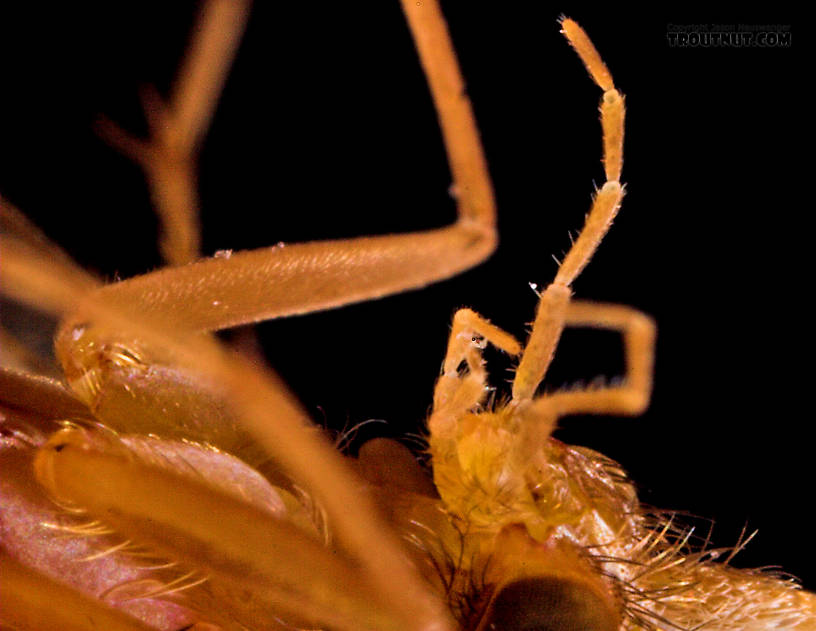
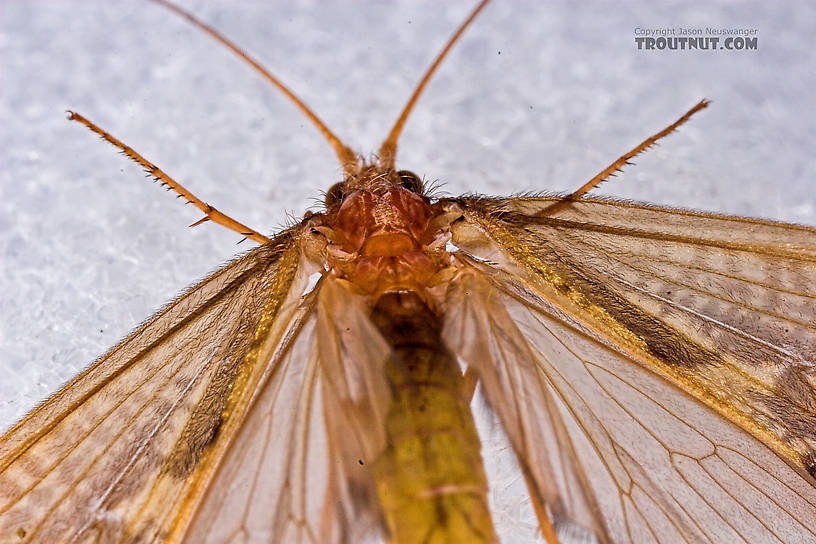
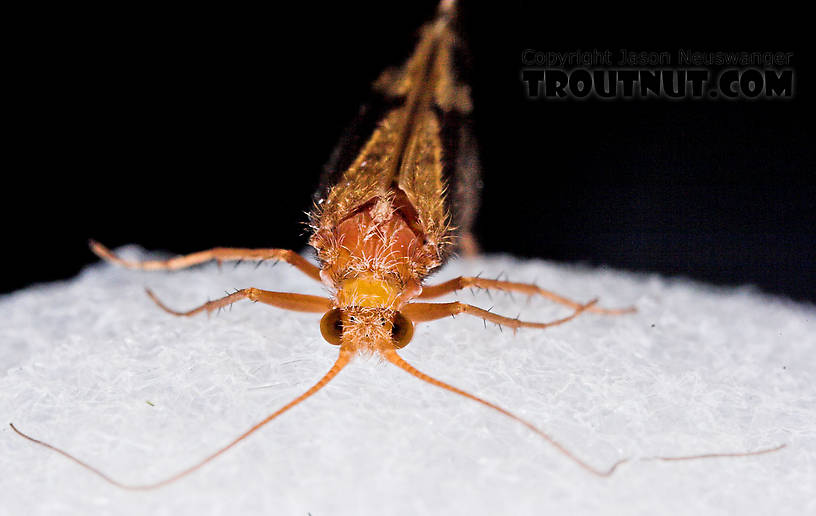
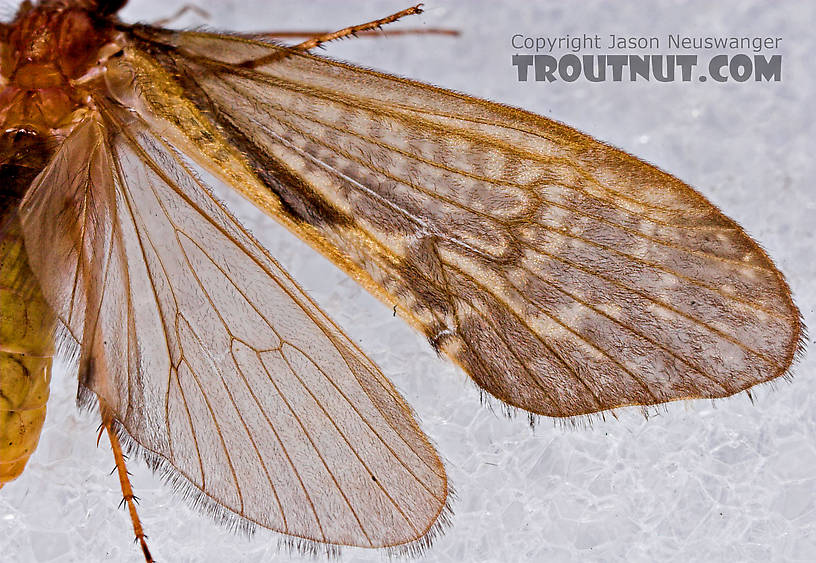
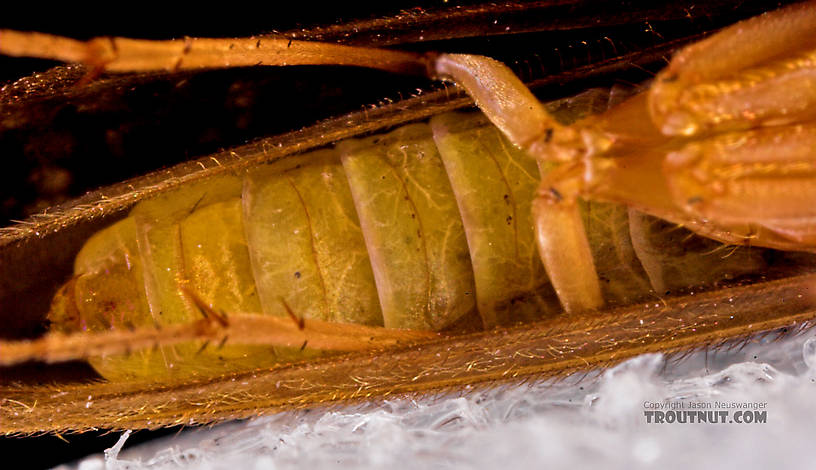
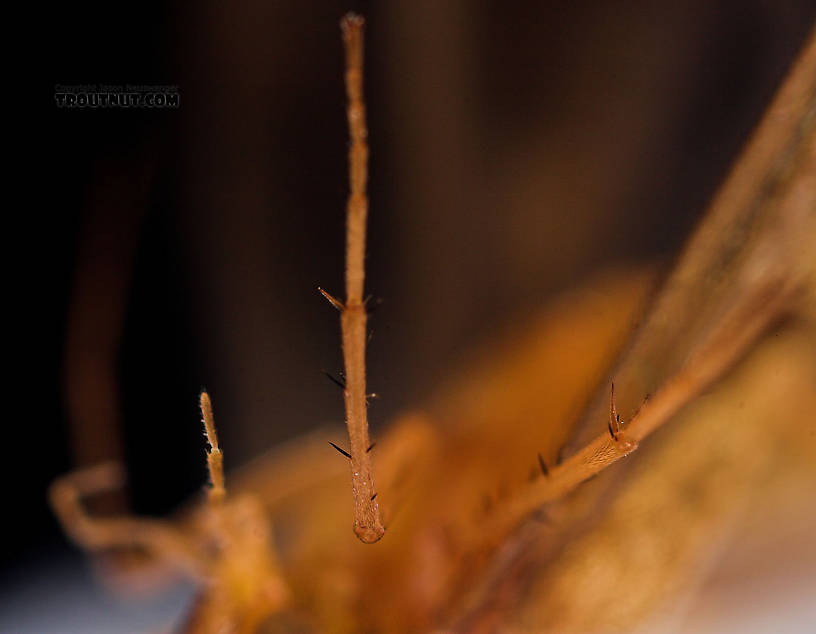
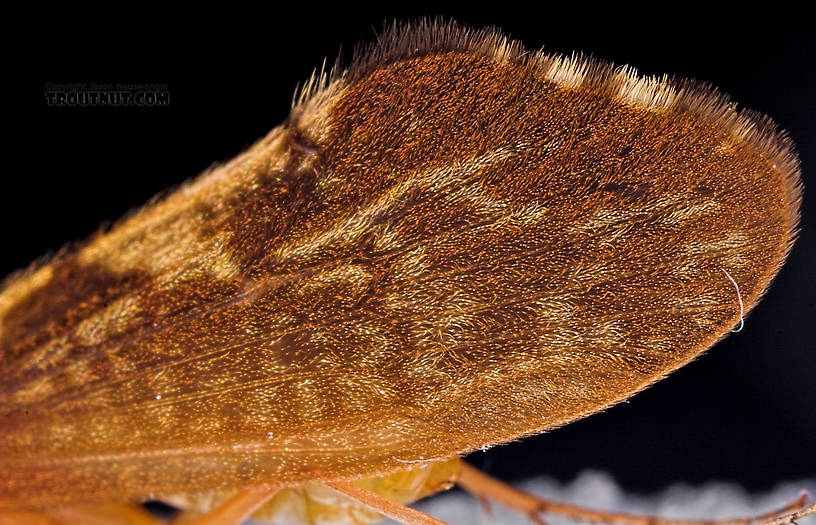
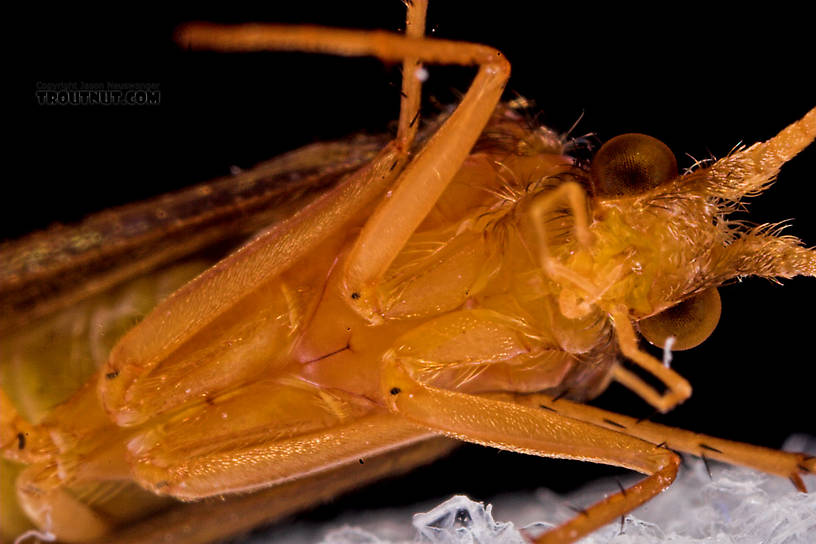
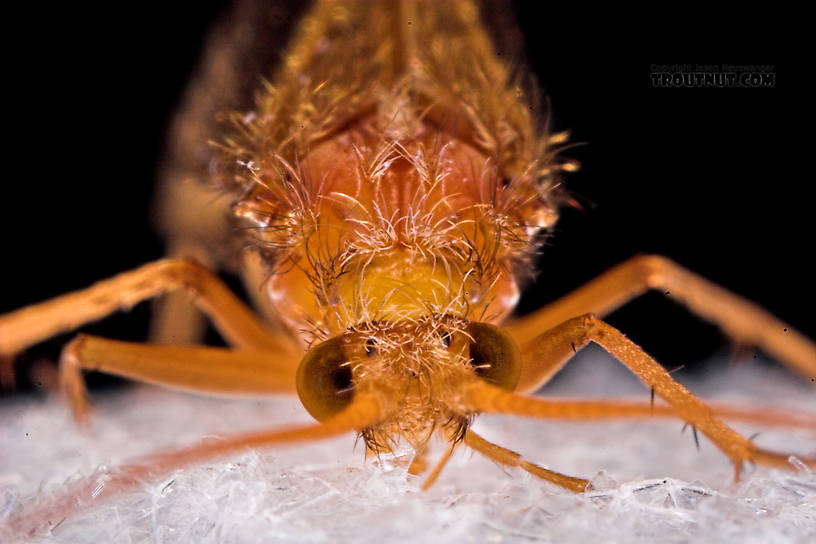
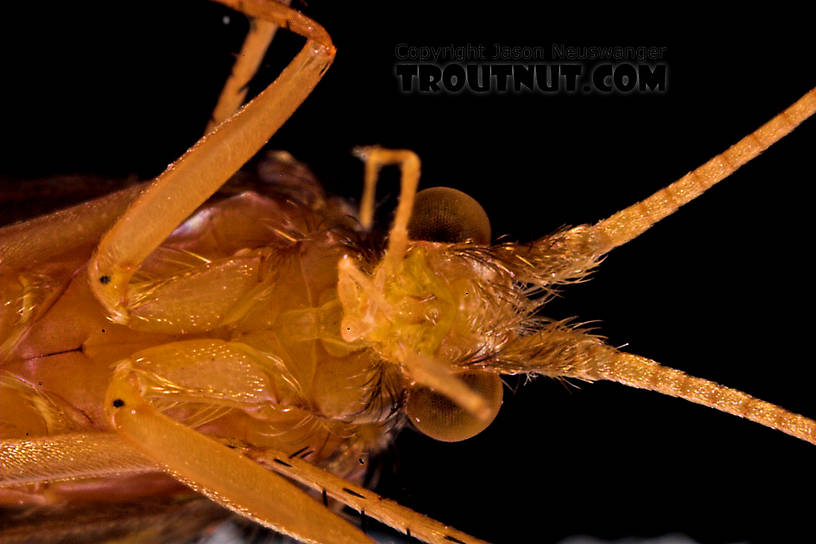
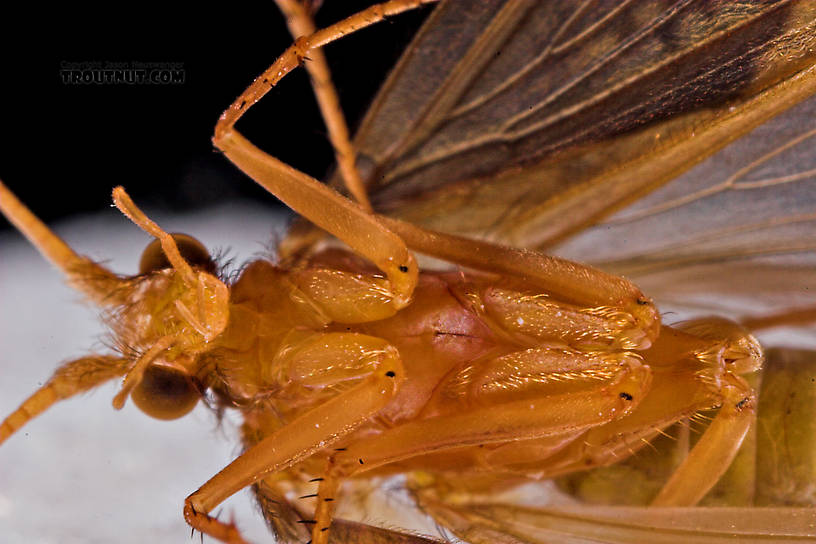
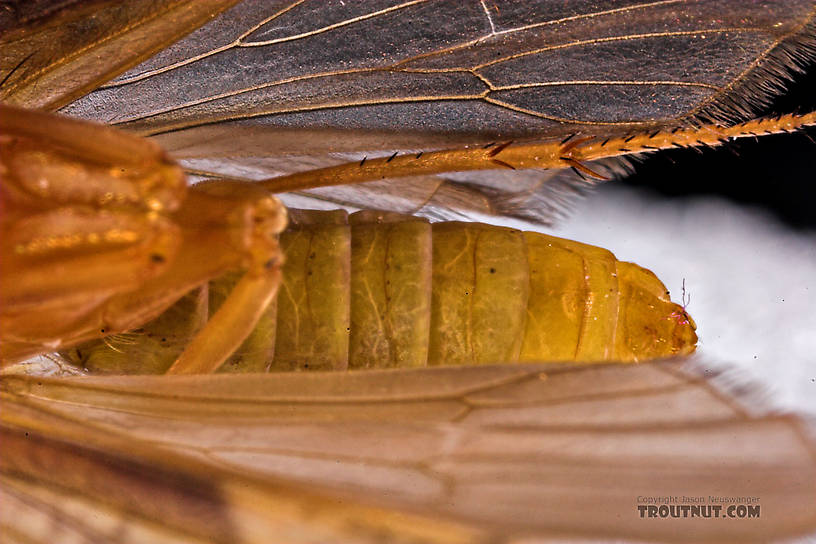
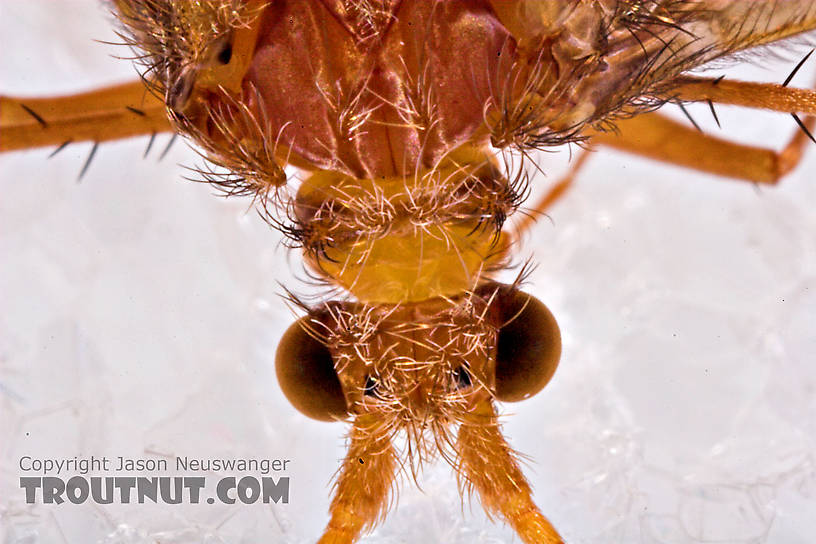
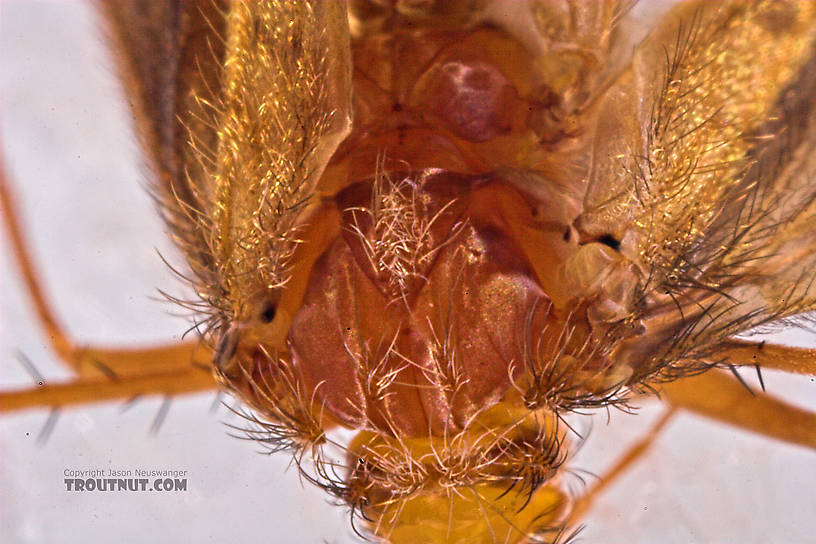
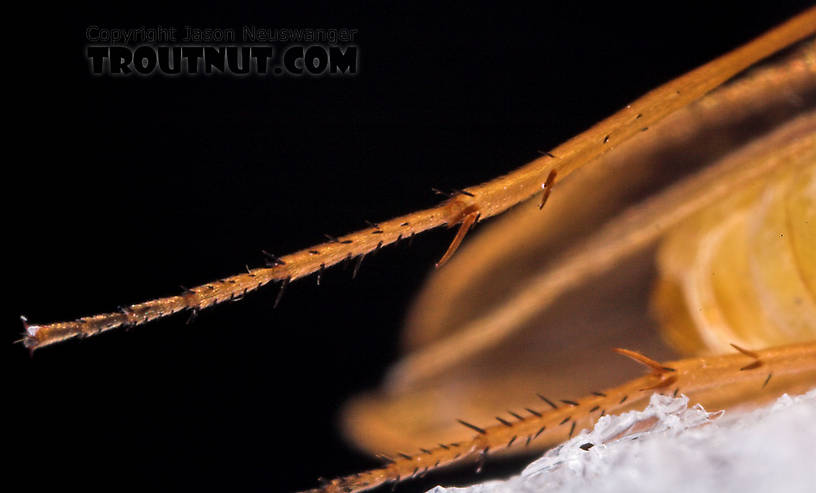
This large caddisfly looks really neat close-up.
This caddisfly was collected from Mystery Creek #43 on September 19th, 2006 and added to Troutnut.com on October 4th, 2006.


Recent Discussions of this Adult
Big Yellow Caddis 8 Replies »
I have the following entry in my journal for Clark's Creek, north of Harrisburg PA: "June 12, 2004. Arrived late to find Al already on the stream. He showed me a big yellow bodied, tan wing caddis that he says comes off this time every year."
Al lives near Clarks, and knows the stream very well. The bug was about a size 12 or 14. It looked very much like the one in the pictures Jason posted. It had an abdomen that I remember looked like a big ant's (full, smooth, and clearly segmented) with a very thin waist at the front of the abdomen like the front of an ant's gaster. How many big yellow bodied caddis like this are there? I'm just wondering if I can surmise that the bug Al showed me might be the same as the one here, or if there are so many caddis like this one that there is no way of even suggesting such.
ReplyNot Hydropsyche, not Phryganeidae--more reasons 10 Replies »Al lives near Clarks, and knows the stream very well. The bug was about a size 12 or 14. It looked very much like the one in the pictures Jason posted. It had an abdomen that I remember looked like a big ant's (full, smooth, and clearly segmented) with a very thin waist at the front of the abdomen like the front of an ant's gaster. How many big yellow bodied caddis like this are there? I'm just wondering if I can surmise that the bug Al showed me might be the same as the one here, or if there are so many caddis like this one that there is no way of even suggesting such.
I'm not familiar with this species, but I've taken another look through all the photos, and this is the best rationale I can come up with--
Not Hydropsyche: Wing venation is wrong; spur pattern is wrong; maxillary palp is wrong. But H. betteni is about the right size and color.
Not Phryganeidae: Size is wrong (common genera, Phryganea and Ptilostomis, typically range from 21-25mm); spur pattern is wrong (usually 2,4,4).
Probably Limnephilidae: Shape and venation of front and hind wings very similar to drawings of Dicosmoecus wings; maxillary palp matches configuration of Limnephilid females; spur pattern 1,2,4 matches (usually 1,2-3,4); large setal wart on scutellum matches.
Possibly Limnephilus: Size of specimen (13-14mm) is about average for this genus; overall color and pattern seems compatible with other members of this genus I've seen; the pattern of setae and setal warts appears to exactly match a drawing of Limnephilus; location and habitat seem reasonable (but with 95 species in the genus, it's hard to rule anything out on that account).
The other reason for suggesting Limnephilus is a simple process of elimination. It's probably not Frenesia or Psychoglypha, based on season (and color). I know Pycnopsyche and Hydatophylax well, and it's not either of them. I'm familiar with Dicosmoecus, and that's not it. Onocosmoecus and Platycentropus are larger; and Ironoquia is a different shape. Ecclisomyia, Oligophlebodes, and Chyranda all have "Western" in their common name.
I know this leaves out quite a few oddball genera, but I'm sticking with Limnephilus until Litobrancha picks up this thread and tells me what it really is! :)
ReplyAbout these beautiful pictures of caddis. 7 Replies »Not Hydropsyche: Wing venation is wrong; spur pattern is wrong; maxillary palp is wrong. But H. betteni is about the right size and color.
Not Phryganeidae: Size is wrong (common genera, Phryganea and Ptilostomis, typically range from 21-25mm); spur pattern is wrong (usually 2,4,4).
Probably Limnephilidae: Shape and venation of front and hind wings very similar to drawings of Dicosmoecus wings; maxillary palp matches configuration of Limnephilid females; spur pattern 1,2,4 matches (usually 1,2-3,4); large setal wart on scutellum matches.
Possibly Limnephilus: Size of specimen (13-14mm) is about average for this genus; overall color and pattern seems compatible with other members of this genus I've seen; the pattern of setae and setal warts appears to exactly match a drawing of Limnephilus; location and habitat seem reasonable (but with 95 species in the genus, it's hard to rule anything out on that account).
The other reason for suggesting Limnephilus is a simple process of elimination. It's probably not Frenesia or Psychoglypha, based on season (and color). I know Pycnopsyche and Hydatophylax well, and it's not either of them. I'm familiar with Dicosmoecus, and that's not it. Onocosmoecus and Platycentropus are larger; and Ironoquia is a different shape. Ecclisomyia, Oligophlebodes, and Chyranda all have "Western" in their common name.
I know this leaves out quite a few oddball genera, but I'm sticking with Limnephilus until Litobrancha picks up this thread and tells me what it really is! :)
It is not Limnephilidae, I guess it is some of Neophylax or other Thremmatinae. My reasons:a) color pattern look as in many Neophylax; at the base of hind leg spurs the only one black spine (in Limnephilidae - two sines; in Thremmatinae - 0 or one); 2) female genitalia is not as in Limnephilidae s.str.
ReplyMore detailed ID? 1 Reply »I took lots of pictures of this large caddisfly hoping one of the caddis gurus here can identify it to a more detailed level than I. I was able to follow the key in Merritt & Cummins through to Phryganeidae, though I might have made a mistake.
ReplyHydropsyche 1 Reply »Jason-
Looks like Hydrospyche to me, most likely H. betteni. However, if you've keyed it out to Phryganeidae, I'm probably wrong.
ReplyLooks like Hydrospyche to me, most likely H. betteni. However, if you've keyed it out to Phryganeidae, I'm probably wrong.
Start a Discussion of this Adult:
Top 10 Fly Hatches
 Baetis
 Baetidae
 Ephemerellidae
 Hexagenia limbata
 Chironomidae
 Ephemerella subvaria
 Heptageniidae
 Ephemerella
 Isonychia
 Hydropsychidae
Top Gift Shop Designs
 I outfish my daddy!
 Electric blue Hendrickson dun.
 I love buggers. Big, green, wooly ones.
 I outfish my husband!
 Be the trout.
 Eat mayflies.
Top Insect Specimens
 Baetisca obesa Mayfly Nymph
 Neophylax Caddisfly Adult
 Corydalus Hellgrammite Larva
 Isonychia bicolor Mayfly SpinnerBaetis Mayfly Dun
Miscellaneous Sites
Troutnut.com is copyright © 2004-2024 Jason
Neuswanger (email Jason). See my FAQ for information about use of my images.
 privacy policy
privacy policy