
Blog & Latest Updates
Fly Fishing Articles
Insects by Common Name

Freshwater Invertebrate Underwater Pictures, Page 5


Browse through all the underwater photos on this site below, or pick a category on the right.


StateWisconsin
LocationNamekagon River
Date TakenApr 25, 2004
Date AddedJan 25, 2006
AuthorTroutnut
CameraOlympus C740UZ
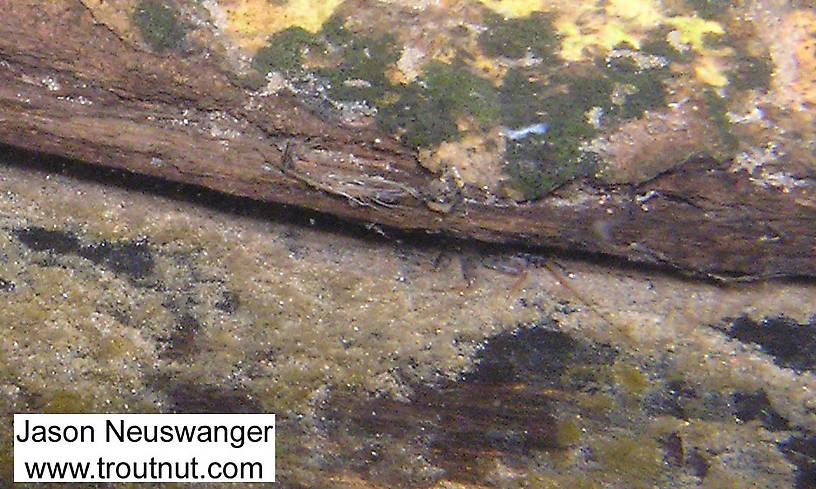
StateWisconsin
LocationNamekagon River
Date TakenApr 25, 2004
Date AddedJan 25, 2006
AuthorTroutnut
CameraOlympus C740UZ
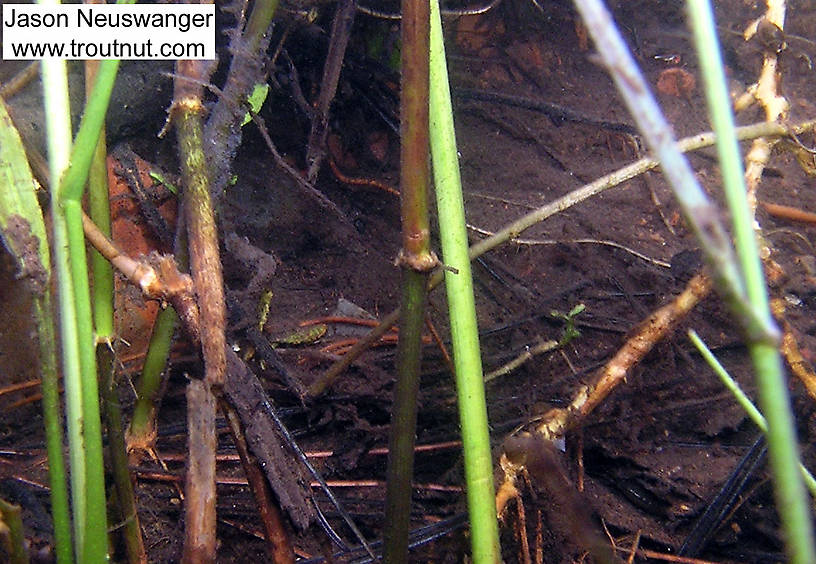
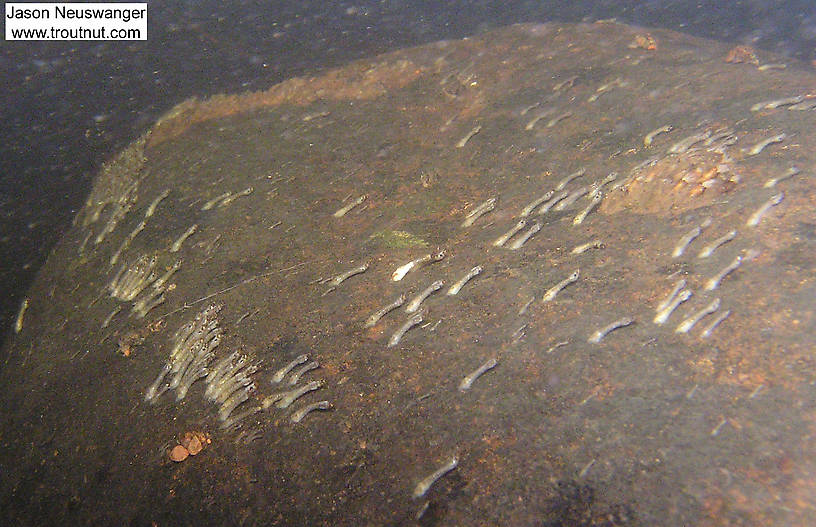
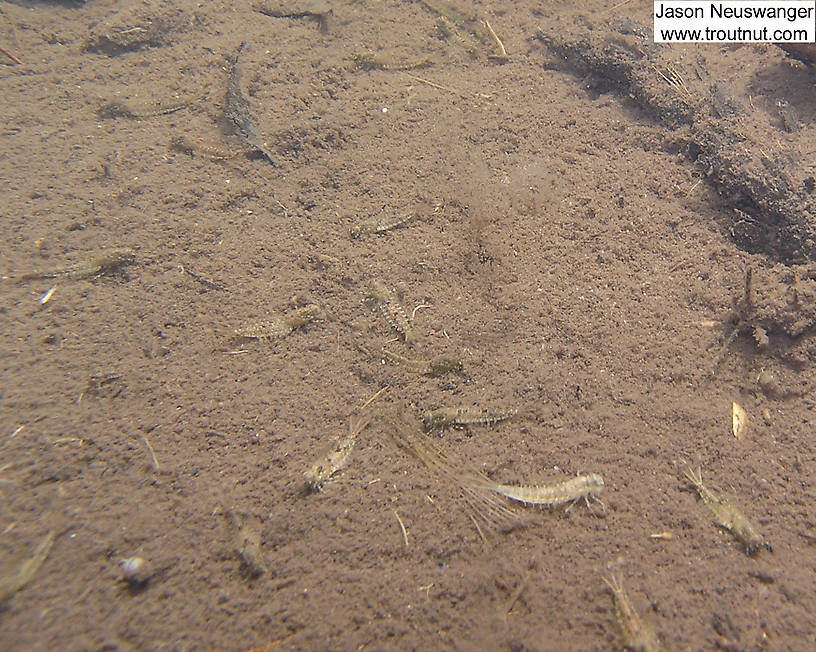
A water boatman and a scud are visible in this picture. Can you find them?
In this picture: True Bug Family Corixidae (Water Boatmen) and Arthropod Order Amphipoda (Scuds).
In this picture: True Bug Family Corixidae (Water Boatmen) and Arthropod Order Amphipoda (Scuds).
StateWisconsin
LocationBois Brule River
Date TakenApr 13, 2004
Date AddedJan 25, 2006
AuthorTroutnut
CameraOlympus C740UZ
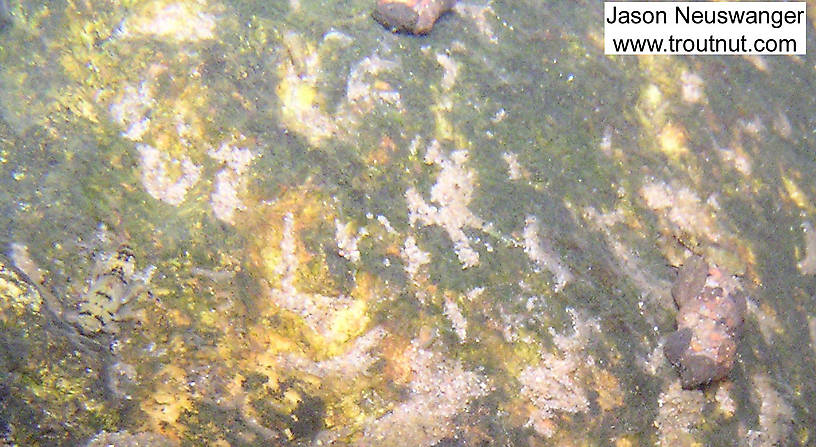
In this picture: Mayfly Genus Ephemerella (Hendricksons, Sulphurs, PMDs) and Insect Order Trichoptera (Caddisflies).
StateWisconsin
LocationNamekagon River
Date TakenApr 24, 2004
Date AddedJan 25, 2006
AuthorTroutnut
CameraOlympus C740UZ
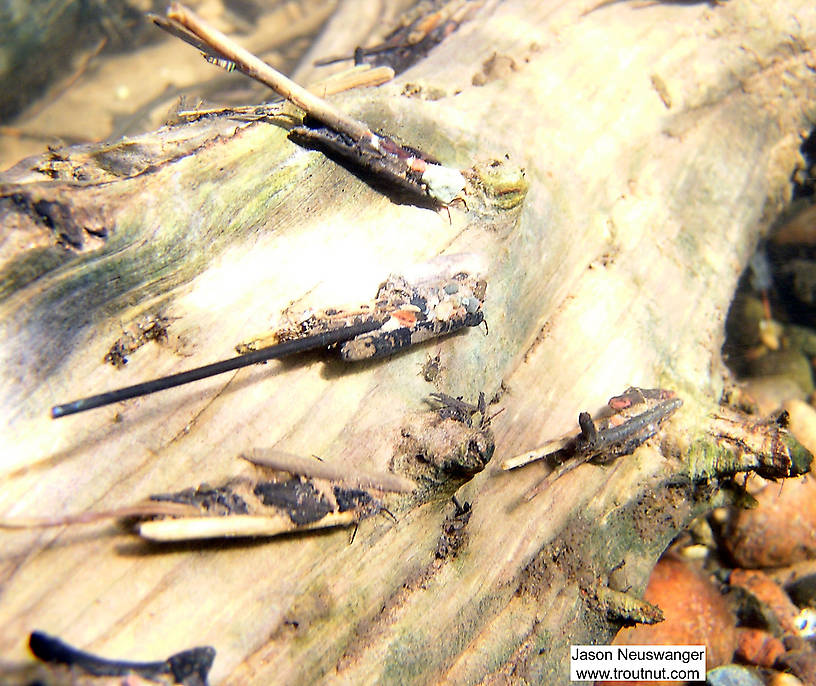
StateWisconsin
LocationBois Brule River
Date TakenApr 13, 2004
Date AddedJan 25, 2006
AuthorTroutnut
CameraOlympus C740UZ
StateWisconsin
LocationNamekagon River
Date TakenMay 15, 2004
Date AddedJan 25, 2006
AuthorTroutnut
CameraOlympus C740UZ
StateWisconsin
LocationNamekagon River
Date TakenApr 18, 2004
Date AddedJan 25, 2006
AuthorTroutnut
CameraOlympus C740UZ
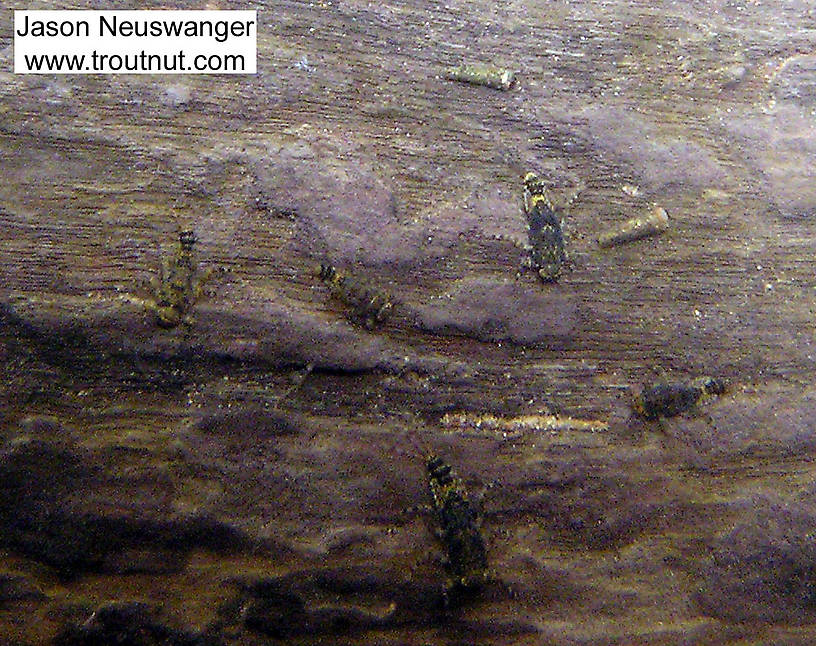
In this picture: Mayfly Species Ephemerella subvaria (Hendrickson), Insect Order Trichoptera (Caddisflies), and Mayfly Species Ephemerella invaria (Sulphur Dun).
StateWisconsin
LocationNamekagon River
Date TakenApr 18, 2004
Date AddedJan 25, 2006
AuthorTroutnut
CameraOlympus C740UZ
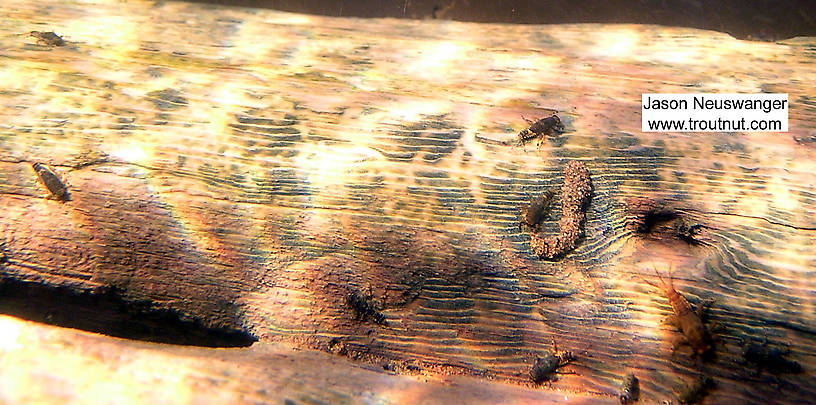
In this picture: Mayfly Species Ephemerella invaria (Sulphur Dun) and Mayfly Species Ephemerella subvaria (Hendrickson).
StateWisconsin
LocationNamekagon River
Date TakenApr 23, 2004
Date AddedJan 25, 2006
AuthorTroutnut
CameraOlympus C740UZ

StateWisconsin
LocationNamekagon River
Date TakenApr 23, 2004
Date AddedJan 25, 2006
AuthorTroutnut
CameraOlympus C740UZ
Top 10 Fly Hatches
 Baetis
 Baetidae
 Ephemerellidae
 Hexagenia limbata
 Chironomidae
 Ephemerella subvaria
 Heptageniidae
 Ephemerella
 Isonychia
 Hydropsychidae
Top Gift Shop Designs
 I outfish my daddy!
 Electric blue Hendrickson dun.
 I love buggers. Big, green, wooly ones.
 I outfish my husband!
 Be the trout.
 Eat mayflies.
Top Insect Specimens
 Baetisca obesa Mayfly Nymph
 Corydalus Hellgrammite Larva
 Neophylax Caddisfly Adult
 Pteronarcys biloba Stonefly Nymph
 Hydropsyche aenigma Caddisfly Adult
Miscellaneous Sites
Troutnut.com is copyright © 2004-2024 Jason
Neuswanger (email Jason). See my FAQ for information about use of my images.
 privacy policy
privacy policy