
Blog & Latest Updates
Fly Fishing Articles
Insects by Common Name


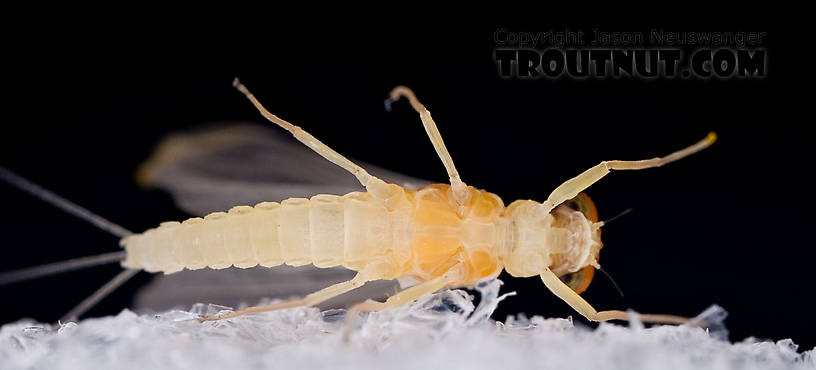
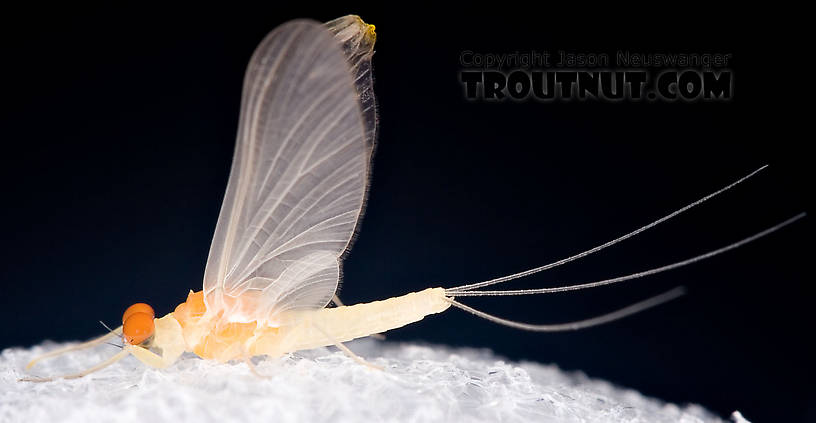
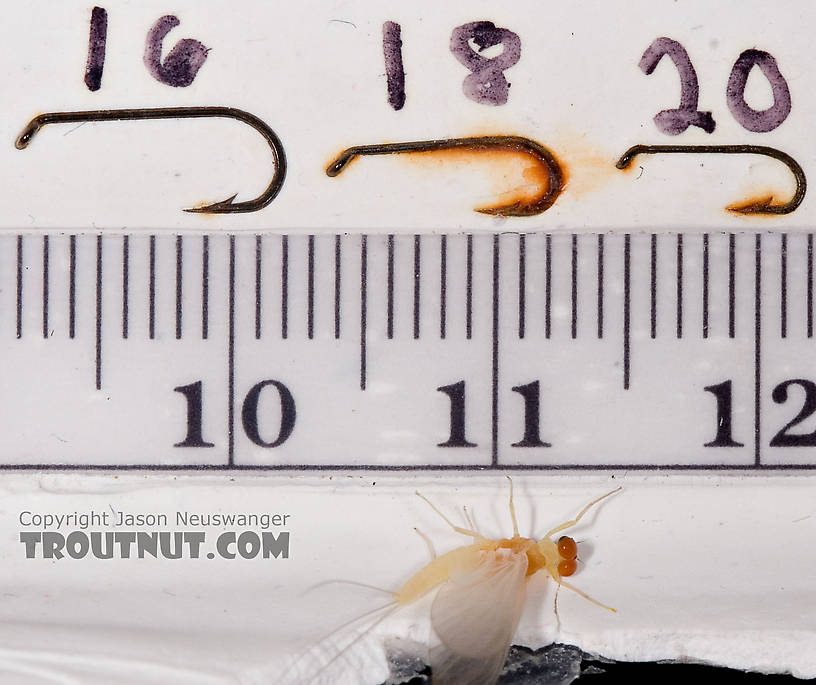
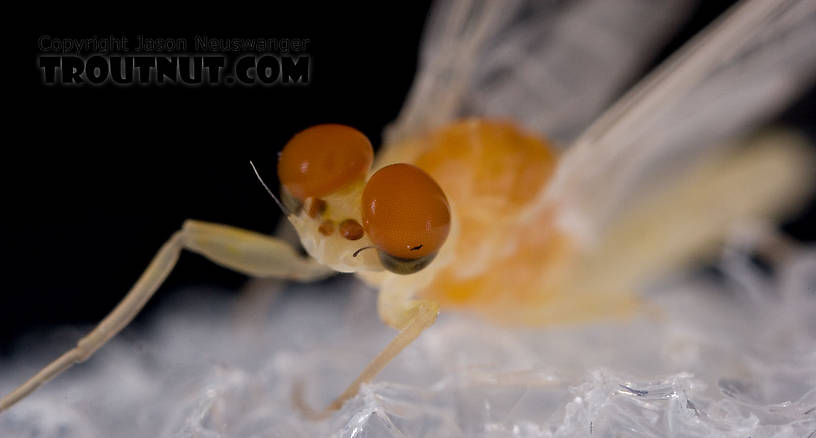
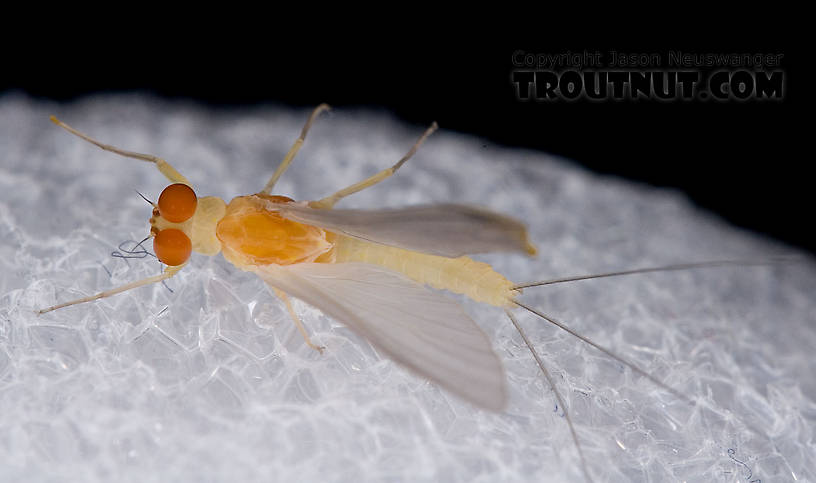
Male Ephemerella dorothea dorothea (Pale Evening Dun) Mayfly Dun Pictures


Classification
Kingdom
Animalia (Animals)
» Phylum
Arthropoda (Arthropods)
» Class
Insecta (Insects)
» Order
Ephemeroptera (Mayflies)
» Species
dorothea dorothea (Pale Evening Dun)
This mayfly was collected from Brodhead Creek on May 27th, 2007 and added to Troutnut.com on June 4th, 2007.


Recent Discussions of this Dun
Small Sulphurs 3 Replies »
It's been my suspicion for quite some time that a good part of the credit given to dorothea for creating the later, lighter-colored "little sulphur" hatch should probably go to the same species (or species complex) that creates the earlier, larger, darker hatch--E. invaria. Many anglers who fish the small suphurs on valley limestone streams in my home state believe (or have been led to believe) that they are fishing the dorothea hatch. Close inspection of the mayfly that causes the activity usually doesn't bear that out. Most of the true dorothea hatches seem to come from mountainous areas where the streams are faster and have rockier bottoms.
All of the specimens in this section are from PA, and this seems to provide a good case in point. This specimen and the nymph (#766) are good examples of dorothea, and they both came from sections of the Brodheads in the Poconos. The other specimens came from big limestoners and appear to be invaria. Notice that all of the dun and spinner specimens, except for this one, have banded tails (dark markings at the segments). As far as I know, this is not characteristic of the Eastern version of dorothea (E. dorothea dorothea), but it is a trait of invaria.
ReplyAll of the specimens in this section are from PA, and this seems to provide a good case in point. This specimen and the nymph (#766) are good examples of dorothea, and they both came from sections of the Brodheads in the Poconos. The other specimens came from big limestoners and appear to be invaria. Notice that all of the dun and spinner specimens, except for this one, have banded tails (dark markings at the segments). As far as I know, this is not characteristic of the Eastern version of dorothea (E. dorothea dorothea), but it is a trait of invaria.
Start a Discussion of this Dun:
Top 10 Fly Hatches
 Baetis
 Baetidae
 Ephemerellidae
 Hexagenia limbata
 Chironomidae
 Ephemerella subvaria
 Heptageniidae
 Ephemerella
 Isonychia
 Hydropsychidae
Top Gift Shop Designs
 I outfish my daddy!
 Electric blue Hendrickson dun.
 I love buggers. Big, green, wooly ones.
 I outfish my husband!
 Be the trout.
 Eat mayflies.
Top Insect Specimens
 Baetisca obesa Mayfly Nymph
 Neophylax Caddisfly Adult
 Corydalus Hellgrammite Larva
 Isonychia bicolor Mayfly Spinner
 Ephemerella aurivillii Mayfly Spinner
Miscellaneous Sites
Troutnut.com is copyright © 2004-2024 Jason
Neuswanger (email Jason). See my FAQ for information about use of my images.
 privacy policy
privacy policy