
Blog & Latest Updates
Fly Fishing Articles
Insects by Common Name


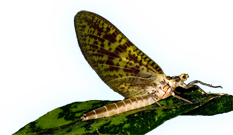
Snowflake Mayflies


This common name refers to only one genus.
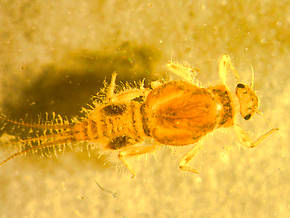
Mayfly Genus Tricorythodes
These are very rarely called Snowflake Mayflies.
A cult following is something to which few insects can lay claim, but the tiny Tricorythodes mayflies certainly qualify. Their widespread, reliable, heavy hatches draw impressive rises of ultra-selective trout which demand the most of a technical dry-fly angler's skills.
It is surprising that such a great hatch took so long to come to the attention of fly fishermen. The Tricos were first introduced to anglers in a 1969 Outdoor Life article by Vincent Marinaro, who misidentified them as Caenis. By the early 1970s the identification had been corrected but Swisher and Richards still wrote in Selective Trout, "Few anglers are familiar with these extremely small but important mayflies." The next wave of publications boosted Tricorythodes to its current fame. I suspect their early dismissal was due in part to tackle limitations; anglers in the 1950s had no means to effectively tie and present size 22-28 flies.
It is surprising that such a great hatch took so long to come to the attention of fly fishermen. The Tricos were first introduced to anglers in a 1969 Outdoor Life article by Vincent Marinaro, who misidentified them as Caenis. By the early 1970s the identification had been corrected but Swisher and Richards still wrote in Selective Trout, "Few anglers are familiar with these extremely small but important mayflies." The next wave of publications boosted Tricorythodes to its current fame. I suspect their early dismissal was due in part to tackle limitations; anglers in the 1950s had no means to effectively tie and present size 22-28 flies.
Female Tricorythodes (Tricos) Mayfly Spinner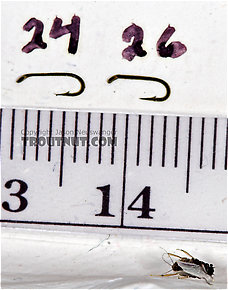 View 9 PicturesI photographed this Trico alive, although it didn't have much time left. These things die very quickly after they mate and it's hard to rush them back to the studio.
View 9 PicturesI photographed this Trico alive, although it didn't have much time left. These things die very quickly after they mate and it's hard to rush them back to the studio.See 7 more specimens...
Top 10 Fly Hatches
 Baetis
 Baetidae
 Ephemerellidae
 Hexagenia limbata
 Chironomidae
 Ephemerella subvaria
 Heptageniidae
 Ephemerella
 Isonychia
 Hydropsychidae
Top Gift Shop Designs
 I outfish my daddy!
 Electric blue Hendrickson dun.
 I love buggers. Big, green, wooly ones.
 I outfish my husband!
 Be the trout.
 Eat mayflies.
Top Insect Specimens
 Baetisca obesa Mayfly Nymph
 Corydalus Hellgrammite Larva
 Neophylax Caddisfly Adult
 Pteronarcys biloba Stonefly Nymph
 Hydropsyche aenigma Caddisfly Adult
Miscellaneous Sites
Troutnut.com is copyright © 2004-2024 Jason
Neuswanger (email Jason). See my FAQ for information about use of my images.
 privacy policy
privacy policy